Compassionate safety education Credential-checking resources Education—not medical advice

Support & Recovery

Support after cosmetic surgery harm or loss

You do not have to figure everything out at once.

When cosmetic surgery results in a serious complication, injury, unexpected hospitalization, disability, or death, patients and families may suddenly have to navigate medical care, records, grief, financial concerns, complaints, and questions about their rights.

Start with what you need most right now.

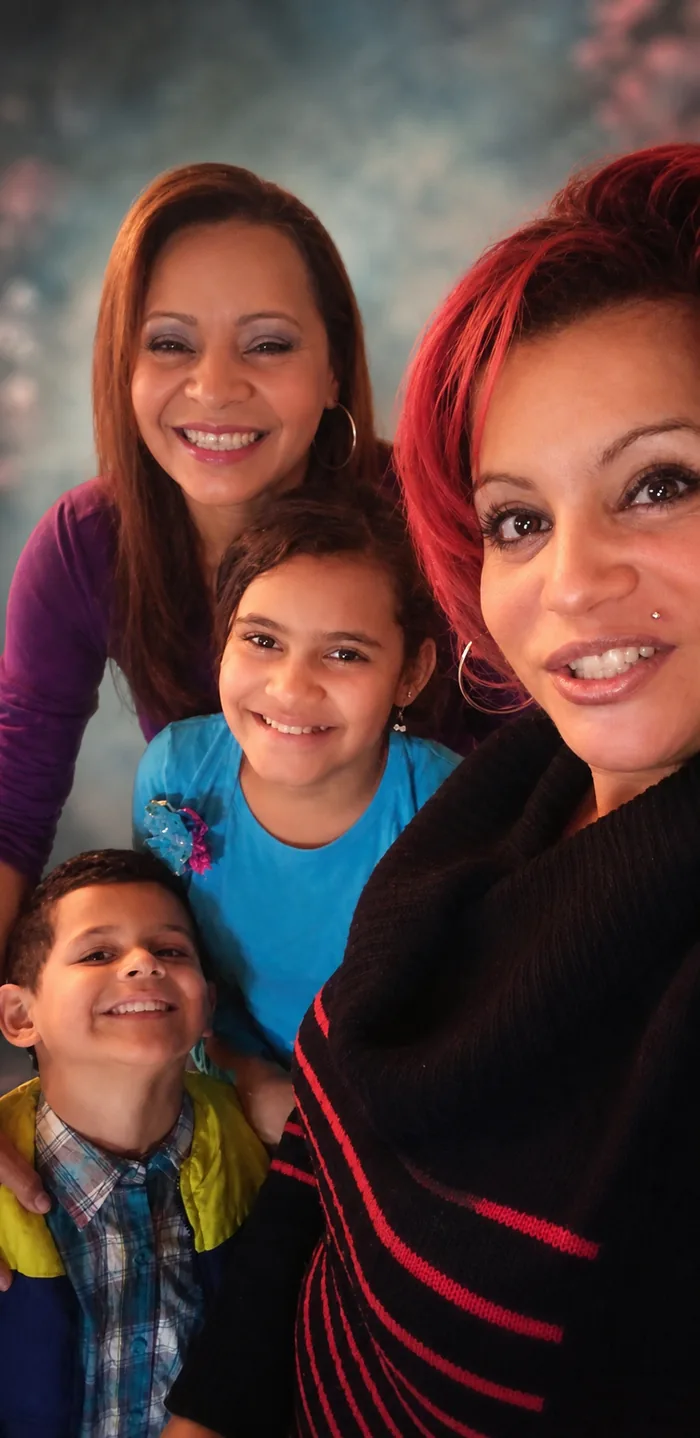
A family smiling together.
Together in love, we carry one another.

Immediate medical danger

Call 911 or go to the nearest emergency department.

Do not delay emergency medical treatment while waiting for a cosmetic-surgery office or clinic to respond.

Warning signs can include:

  • Severe difficulty breathing or shortness of breath
  • Chest pain or pressure
  • Fainting, loss of consciousness, or sudden confusion
  • Heavy or uncontrolled bleeding
  • Coughing or vomiting blood
  • Seizure or signs of stroke
  • Rapidly worsening symptoms that appear life-threatening

This website cannot evaluate symptoms or determine whether a condition is an emergency. When in doubt about a serious or rapidly worsening condition, seek qualified emergency care.

Review MedlinePlus emergency warning signs

After a serious complication

Protect your health first

Medical care comes before complaints, money, blame, or legal questions. If the situation is not an immediate emergency but you are concerned about a complication, seek evaluation from an appropriately qualified medical professional. An independent medical evaluation may be appropriate when serious questions remain about care received from the original provider.

  1. 01

    Get appropriate medical care

    Address immediate health concerns. Do not rely only on the clinic that performed the procedure if you believe you have a serious complication.

  2. 02

    Obtain your medical records

    Request relevant operative, anesthesia, consent, laboratory, imaging, medication, discharge, follow-up, emergency, hospital, and billing records.

  3. 03

    Preserve information

    Keep original emails, text messages, portal messages, photographs, receipts, advertisements, financing documents, instructions, names, dates, and times. Create backups and do not alter originals.

  4. 04

    Create a factual timeline

    Record: date → time → location → person involved → what happened → what you were told → what happened next.

  5. 05

    Get support

    Medical harm can affect emotional health as well as physical health. Counseling, patient advocacy, family help, or peer support may be useful.

  6. 06

    Understand reporting options

    Depending on what happened, a facility, licensing board, health department, accreditor, or federal product-safety program may be relevant. A report does not automatically establish negligence or malpractice.

  7. 07

    Understand possible legal options

    A qualified attorney can evaluate individual circumstances. The Foundation does not determine whether anyone has a valid legal claim.

Your right to request records

Federal HIPAA rules generally give individuals, with limited exceptions, a right to inspect and receive copies of medical and billing records held by covered providers and health plans.

HHS medical-record guidance

Surgery outside the United States

Tell the treating team about care received abroad

Share the procedure, country, facility, date, surgeon, medications, implants or devices if known, and when symptoms began. Bring any available records.

CDC identifies infection, drug-resistant organisms, blood clots, wound problems, and other complications among medical-tourism risks and advises people not to delay care when a complication is suspected.

CDC medical-tourism information

For families after a death

Start with what is necessary. Everything does not have to be handled today.

An unexpected death after an elective procedure can leave a family grieving while also facing medical, funeral, financial, administrative, and sometimes legal questions. Whenever possible, ask a trusted person to help with calls, documents, transportation, meals, childcare, and immediate responsibilities.

Records families may need

  • Certified death certificates
  • Hospital, clinic, operative, anesthesia, and emergency records
  • Medical examiner, coroner, or autopsy reports when applicable
  • Medication, consent, insurance, and financial records
  • Information about implants or medical devices

Preserve information before it is lost

  • Texts, emails, voicemails, and portal messages
  • Photographs, videos, receipts, and advertisements
  • Social-media communications with the provider
  • Financing and appointment records
  • Names and contact information for witnesses

Emotional, grief, and family support

You do not have to grieve alone

Choose the kind of support that fits you and your family. Peer groups do not replace professional counseling or emergency help. Organization names are shown for identification; listing does not imply endorsement or partnership.

Emotional crisis

988 Suicide & Crisis Lifeline

Free, confidential support is available 24/7/365 for emotional distress, mental-health struggles, substance-use concerns, or when you need someone to talk to.

Call or text 988

Call, text, or chat with 988
Local services

United Way 211

Connect with confidential local help for housing, food, transportation, health care, family services, and other community needs.

Call 211

Find local help
Parents, grandparents & siblings

The Compassionate Friends

Peer-led chapters and online communities after the death of a child, grandchild, or sibling.

877-969-0010

Find a chapter
Children, teens & families

Dougy Center

Grief resources, peer-support directories, and tools for children, teens, young adults, parents, and caregivers.

503-775-5683

Explore grief resources
Online grief community

HealGrief — AMF App

Virtual grief resources and community support, including options for people who may not have a nearby group.

Find online support
Widow support

Modern Widows Club

Community, education, and virtual or local resources for widows. Some offerings may be paid.

Find your community
Faith-based

GriefShare

Christian grief-support groups online and in local communities. Choose this resource according to your beliefs and preferences.

Find a group
Mental-health navigation

NAMI HelpLine

Information and resource navigation Monday–Friday, 10 a.m.–10 p.m. ET. This is not a crisis line and does not provide counseling.

800-950-NAMI (6264)
Text NAMI to 62640

Visit NAMI HelpLine
Treatment locator

SAMHSA National Helpline

Free, confidential treatment referral and information for mental health and substance use concerns, available 24/7.

1-800-662-HELP (4357)

Find treatment and support

Patient advocacy after medical harm

Help navigating what comes next

These independent organizations provide education or advocacy resources. Listing them does not imply a guarantee or endorsement of individual services.

Patient Safety Action Network

Patient-led information about steps after medical harm, complaints, records, and patient-safety concerns.

Visit PSAN

Pulse Center for Patient Safety Education & Advocacy

Patient-safety education, advocacy resources, and support for navigating health-care systems.

516-579-4711

Visit Pulse

National Medical Malpractice Advocacy Association

A nonprofit advocacy organization offering education and pathway information after medical harm. NMMAA is not a law firm.

Visit NMMAA

Reporting what happened

Match the concern to the appropriate organization

Filing a complaint is different from filing a lawsuit. A complaint may lead to investigation or regulatory review, but it does not automatically establish malpractice or provide compensation.

A doctor or licensed health-care professional

Use the relevant state licensing authority. The Federation of State Medical Boards provides a nationwide directory.

Find a state medical board
A clinic, facility, or hospital

Ask the organization for Patient Relations, a patient advocate, Risk Management, Quality and Patient Safety, or its administrator. A state health department or facility regulator may also apply.

An accredited health-care organization

The Joint Commission accepts patient-safety concerns involving organizations it accredits. It is not a health-care provider.

Report to The Joint Commission
A medication, implant, device, or other FDA-regulated product

Patients and consumers can voluntarily report serious reactions, product-quality problems, and device concerns to FDA MedWatch.

Open FDA MedWatch
Difficulty accessing medical records or a possible HIPAA violation

The HHS Office for Civil Rights provides information about health-information privacy complaints.

HHS complaint information
A surprise medical bill

Federal protections may apply to some emergency or out-of-network bills. The CMS No Surprises Help Desk is available at 1-800-985-3059.

Review medical-bill rights

Florida resources

State-specific starting points

Florida Health Care Complaint Portal

Florida’s portal routes complaints involving health-care practitioners or businesses to the appropriate state agency.

Open the Florida complaint portal

The Florida Bar Lawyer Referral Service

Connects consumers with verified Florida attorneys by legal issue and location. The service states that a referred 30-minute consultation costs no more than $25.

1-800-342-8011
Monday–Friday, 8:00 a.m.–5:30 p.m.

Request a Florida lawyer referral

Financial and practical help after a death

Reliable starting points for administrative tasks

USAGov: What to do after someone dies

Government guidance on death certificates, agencies to notify, survivor benefits, and related practical steps.

Open USAGov guidance

Social Security survivor benefits

Eligible spouses, children, divorced spouses, or dependent parents may qualify based on a deceased worker’s record.

Review survivor benefits

Funeral Consumers Alliance

Consumer education about funeral choices and costs. The organization does not pay funeral or burial expenses.

802-865-8300

Open funeral consumer resources

Supporting the whole family

The patient is not the only person affected

Spouses, partners, parents, children, siblings, grandparents, caregivers, and friends may also need support.

Protect your privacy

Do not send private health information through the Foundation’s general contact form

Do not submit medical records, diagnoses, treatment photographs, test results, insurance information, Social Security numbers, or other private health or identity information through the general contact form.

The Foundation is not a medical provider, law firm, emergency service, or secure medical-record repository.

Read the contact and privacy guidance

One step at a time

Start with safety, then choose the next manageable step.

This page is a resource directory, not a substitute for qualified medical, mental-health, legal, or emergency services.